
Pine Tree shares practical, down-to-earth guidance on british conifer gardening and evergreen landscaping for readers across the UK.
- 0123456789
- Angle Bd Abdelmoumen & rue soumaya, Résidence
- [email protected]
Pine Tree shares practical, down-to-earth guidance on british conifer gardening and evergreen landscaping for readers across the UK.
 By Daniel Whitcombe
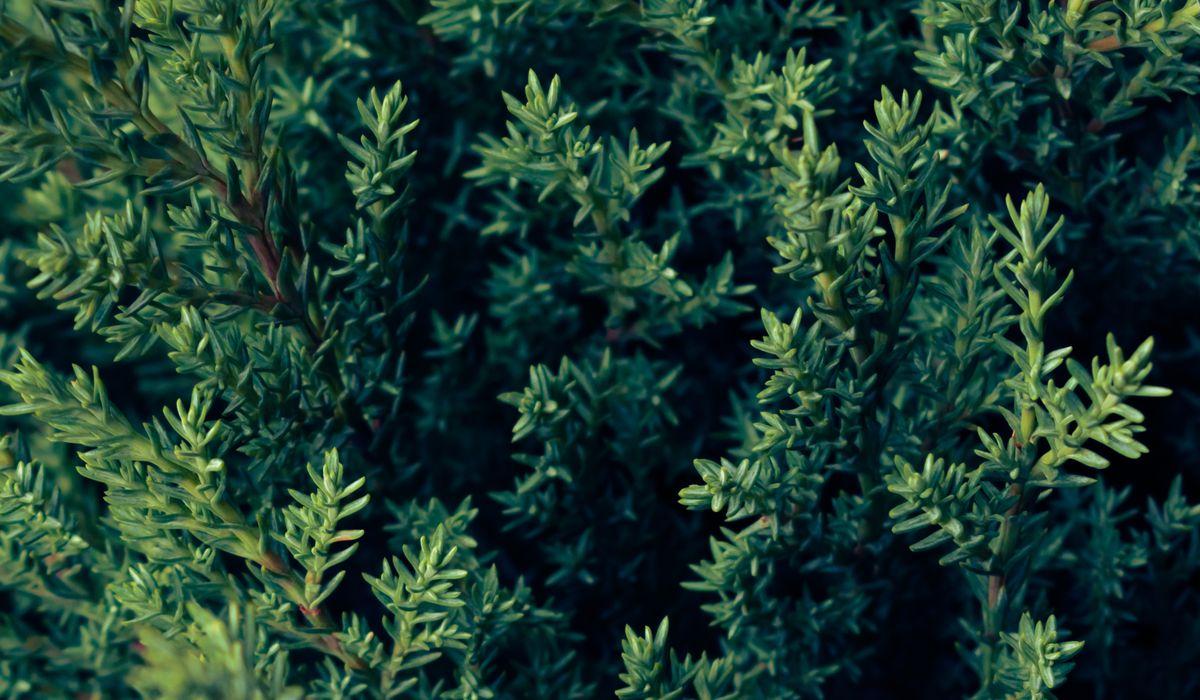
Not every young pine will make a convincing bonsai-style tree, but most will surprise you if you start with the right raw material. In the UK, the native Scots pine (Pinus sylvestris) is forgiving, hardy and responds well to candle pinching. Dwarf mountain pine (Pinus mugo) is another excellent choice for smaller gardens, while Japanese white pine suits sheltered spots. Look for a tree aged three to five years with a trunk diameter of roughly a finger's width. Check for a good spread of roots when you slip it from its pot, and favour a tree with low branches still present. Those low branches are gold dust: they thicken the trunk and give you options later. Avoid any pine with a weak, spindly trunk or a one-sided root system, as you will spend years correcting problems instead of creating shape.
Before you cut anything, learn how a pine grows. Unlike many broadleaf trees, pines extend their shoots in whorls from a central candle each spring. That candle is the growing tip, packed with needles that will unfurl over the coming weeks. If you pinch a candle too early, you weaken the shoot. Too late, and you get long, coarse growth that ruins the scale of a bonsai. The sweet spot is late spring to early summer, when the candle has extended but the needles are still tight and pale. At that stage, you can pinch or cut the candle back to two or three pairs of needles. This encourages the tree to produce smaller shoots and, crucially, to back bud along older wood. Back budding is the secret to a dense, believable bonsai-style shape. Without it, you will have long, bare branches with foliage only at the tips.
The biggest mistake beginners make is pruning a young pine too hard too soon. A pine needs its needles to photosynthesise and its roots to anchor a vigorous top. For the first two or three years, your job is to build the trunk and root system. Plant your young pine in a large pot or, better still, in a nursery bed for a season or two. Feed it well with a balanced fertiliser from early spring to midsummer. Remove only dead, diseased or crossing branches. Leave everything else, even if it looks untidy. That lower growth is thickening the trunk while you wait. If you must prune, do it in late winter when the tree is dormant. Never remove more than a quarter of the foliage in one go. A shocked pine can sulk for a whole season or, worse, die. Patience here pays off with a stout, tapered trunk that makes the final design convincing.
When your trunk reaches the thickness you want – say, four to six centimetres for a medium-sized bonsai – you can begin structural pruning. Work in late winter or early spring, just before the buds swell. Choose three to five primary branches that spiral around the trunk, none directly opposite another. Remove the rest with sharp secateurs, cutting flush but leaving the branch collar intact. Keep one sacrifice branch low down if you want extra trunk thickening; you can remove it in a year or two. Now wire the chosen branches into gentle curves using aluminium wire. Young pine branches are flexible, so bend slowly over several sessions rather than forcing them. Wire should be thick enough to hold the branch but not so tight that it bites. Check the wire every month during the growing season and remove it before it marks the bark. This initial wiring sets the framework for everything that follows.
From the second year after styling, candle pinching becomes your main tool. In late spring, when candles have extended but needles are still enclosed, pinch them back. For strong candles at the top of the tree, pinch to two or three pairs of needles. For weaker candles lower down, leave them longer or do not pinch at all. This balances energy: the strong top stops dominating, and the weaker lower branches catch up. Do not pinch every candle on a young tree. Leave a few unpruned to grow freely, which keeps the tree vigorous. If you want a denser canopy, repeat the process the following year. Over time, you will build a network of fine twigs carrying short needles – the hallmark of a well-trained bonsai-style pine. Remember that pines do not back bud reliably on old, bare wood, so always keep some foliage on a branch if you want it to survive.
Training a pine is only half the story; keeping it healthy is the rest. Water thoroughly when the top centimetre of soil feels dry, but never leave the pot standing in water. Feed with a balanced fertiliser from spring to late summer, then switch to a low-nitrogen feed in early autumn to harden growth for winter. Repot every two to three years in early spring, as the buds begin to swell, using a free-draining mix of akadama, pumice and bark. Scots pine is fully hardy in the UK, but young trees in small pots benefit from protection from severe frost and cold winds. Place the pot on a sheltered bench or wrap it in fleece. With careful candle pinching, staged pruning and a little winter protection, your young pine will reward you with a graceful, evergreen character that improves every year.


We are not gonna make spamming
