
Pine Tree shares practical, down-to-earth guidance on british conifer gardening and evergreen landscaping for readers across the UK.
- 0123456789
- Angle Bd Abdelmoumen & rue soumaya, Résidence
- [email protected]
Pine Tree shares practical, down-to-earth guidance on british conifer gardening and evergreen landscaping for readers across the UK.
 By Eleanor Whitfield
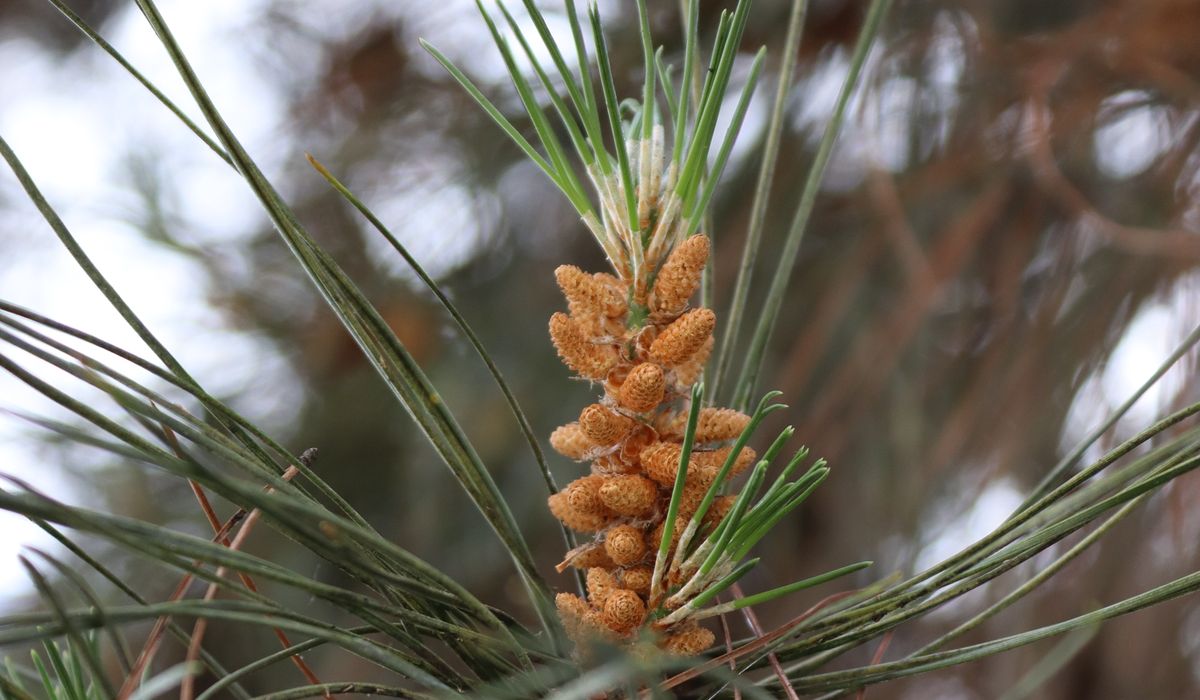
There are few sights more disheartening in a British garden than a once-lustrous conifer hedge turning a washed-out yellow. Before you reach for the secateurs or assume the worst about disease, take a closer look. In the vast majority of cases, discoloured needles are not a sign of pests or pathogens but a straightforward message about nutrition. Conifers are remarkably honest plants: when something is missing from the soil, they tell you through their foliage, often months before growth stalls or the plant begins to decline.
The pattern of yellowing matters enormously, and it will point you towards the likely culprit faster than any soil test.
Do resist the urge to feed a conifer that is sitting in soggy ground. Saturated roots cannot take up nutrients no matter how much you apply, and adding fertiliser will simply waste money and risk runoff.
This is the single most useful thing you can check, and a basic pH testing kit costs very little. Most garden conifers — yew, spruce, fir, hemlock and the vast majority of hedging species — grow best between pH 5.5 and 6.5. Within that range, iron, manganese and magnesium remain soluble and available. Push the pH above 7, as happens on chalk and limestone, and those same nutrients lock up in the soil. The plant is not short of iron in absolute terms; it simply cannot reach it.
If your soil is alkaline, no amount of general-purpose fertiliser will solve the problem. You need either to acidify the root zone or to feed directly through the foliage. Sulphur products, applied according to the label and watered in well, will gradually lower pH around the roots. For a faster response, use a chelated iron tonic as a foliar spray in the evening, when stomata are open and the risk of leaf scorch is lower. Repeat every few weeks through the growing season.
Conversely, if your soil is very acidic — below pH 5 — magnesium and calcium availability drops. A light dressing of garden lime in autumn, worked into the surface, will lift the pH over winter and improve uptake.
Once pH is reasonable, match the feed to the symptom.
Little and often beats a single heavy dose. Conifers are slow feeders, and an overload of soluble salts can burn fine roots and make the discolouration worse rather than better.
Feeding corrects the symptom; mulching corrects the cause. A 5–8 cm layer of composted bark, leafmould or well-rotted pine needles spread over the root zone will do three jobs at once. It keeps moisture levels steady, suppresses weeds that compete for nutrients, and slowly acidifies the surface soil as it breaks down. Keep the mulch clear of the trunk or main stems by a few inches to avoid collar rot.
Apply mulch in spring while the soil is still damp, and top it up every second or third year. Over time, this single habit will do more for the colour of your conifers than any bottle of feed, because it builds the soil structure that keeps nutrients available season after season.
When yellowing appears, work through this sequence rather than guessing. Test the soil pH first. Then check drainage by digging a small inspection hole — if it fills with water, that is your answer. Look at which needles are affected to narrow down the nutrient involved. Only then choose a feed, and give it four to six weeks before judging the results, as existing needles will not turn green again; you are looking for healthy new growth. With a little patience, the right pH and a good mulch, most British conifers will reward you with dense, deep-green foliage for decades.


We are not gonna make spamming
