
Pine Tree shares practical, down-to-earth guidance on british conifer gardening and evergreen landscaping for readers across the UK.
- 0123456789
- Angle Bd Abdelmoumen & rue soumaya, Résidence
- [email protected]
Pine Tree shares practical, down-to-earth guidance on british conifer gardening and evergreen landscaping for readers across the UK.
 By James Harcourt
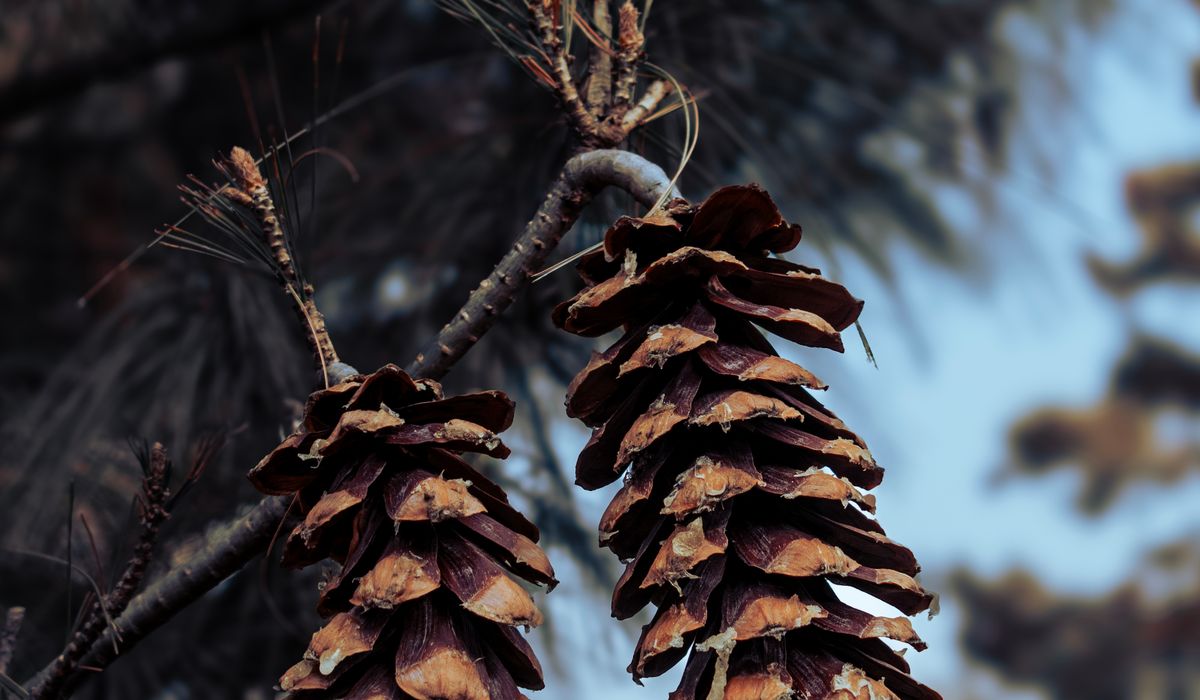
From November through to March, a deciduous garden is a bare, hungry place. Evergreens change that. A dense conifer hedge or a mature yew holds its needles through the coldest weeks, and that foliage does two jobs at once: it blocks the wind that strips heat from small bodies, and it hides birds from the sparrowhawk that patrols the same territory. A wren, which loses body heat faster than almost any garden bird, will roost in the tight shelter of an ivy-clad conifer rather than in an open nest box.
The value is not only in the canopy. Conifers such as Scots pine and Lawson cypress shed needles gradually, building a deep, springy litter beneath them that stays dry on top and damp below — ideal for hibernating insects. That litter is the base of a food chain that carries right through to the song thrush turning it over in February.
A garden full of plain green hedging will shelter wildlife, but it will not feed it. Where you have room for a few more plants, choose evergreens with something extra to offer.
Variety matters more than quantity. Three or four different evergreens at different heights will support far more species than a single run of the same conifer.
If you do only one thing after reading this, add water. Birds need to drink and bathe daily, and in a hard frost a shallow dish becomes the only available source for streets around. A simple bird bath with a gently sloping side and a few flat stones for grip will be busy within days.
If you have space for something larger, a small wildlife pond is transformative. Aim for around 60cm at the deepest point so frogs can overwinter in the bottom sludge, and give it at least one gently sloping edge or a pebble beach so hedgehogs, fledglings and amphibians can get in and out. Marginal plants — water mint, marsh marigold, lesser spearwort — shade the surface and give dragonfly larvae somewhere to climb before they emerge. Top the level up weekly in summer with rainwater rather than tap water, which is rich in nutrients that encourage algae.
Keep it wild. No pumps, no filters, no fish. A pond left to find its own balance will support more life than any piece of kit you could buy.
The tidiest gardens are the poorest for wildlife. A swept lawn, bare borders and a burning bin leave nowhere for a hedgehog to hibernate, a bumblebee queen to overwinter or a lacewing to shelter. Aim to leave at least one corner undisturbed from October to April — behind a shed, under a hedge, beneath a shrub border where nobody looks.
Build it deliberately if you have no natural spot. A heap of leaves, a few lengths of old log and a handful of twigs, tucked out of sight, will be occupied by spring. Frogs, beetles, centipedes and slow worms all use these heaps. And do not be tempted to clear the litter from beneath your conifers: it is doing useful work, holding moisture in summer and insulating the soil in winter.
March is the month when most of us reach for the shears, and it is also the month when birds begin nesting in earnest. Blackbirds, robins, dunnocks, wrens and most tits will be building from early spring, and a conifer hedge is prime real estate. Cutting it back hard in March or April can destroy nests, eggs and young in a single afternoon.
Prune conifers lightly in late summer or early autumn instead, and take only what you need. If you must cut in spring, check the hedge thoroughly first, and stop immediately if you find anything. It is worth knowing that active nests are legally protected in the UK, so a little timing really does matter. If you can, leave a section of hedge uncut each year on rotation — it keeps the hedge dense at the base and gives nesting birds an undisturbed run.
Wildlife responds to structure, not to individual plants. A garden with a tall conifer at the back, a mid-height evergreen shrub in the middle and low ground cover at the front offers birds somewhere to flee, feed and nest at three different levels. Add a tangled corner of ivy, a pile of logs and a shallow dish of water, and you have the whole package.
You do not need a large garden for this. A single yew, a bird bath and one untidy corner will support more life than most people would believe. Start there, watch what arrives, and add to it year by year.


We are not gonna make spamming
