
Pine Tree shares practical, down-to-earth guidance on british conifer gardening and evergreen landscaping for readers across the UK.
- 0123456789
- Angle Bd Abdelmoumen & rue soumaya, Résidence
- [email protected]
Pine Tree shares practical, down-to-earth guidance on british conifer gardening and evergreen landscaping for readers across the UK.
 By Sophie Mercer
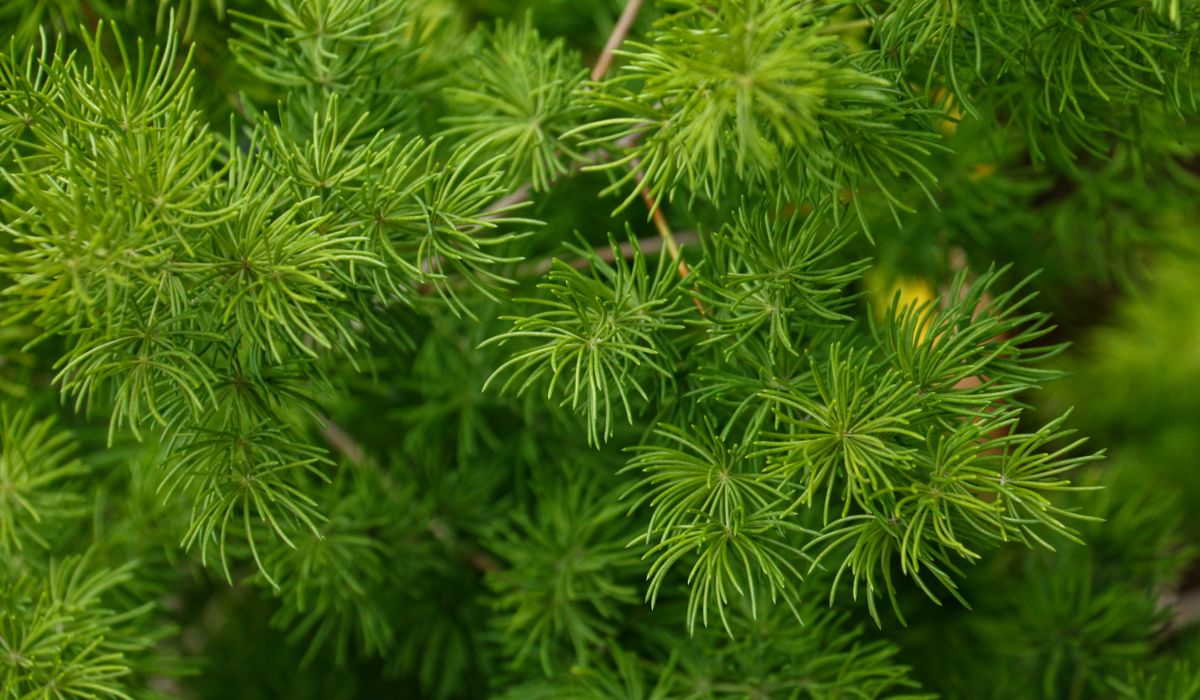
Few plants work harder in a British garden than a spreading conifer. Once rooted, a good creeping juniper or dwarf pine knits its stems into a dense mat that shades out chickweed, bittercress and the rest of the usual invaders. That carpet stays green right through winter, so a bank that would otherwise turn to bare mud in November still looks deliberate in February. Because growth is naturally low and horizontal rather than upright, these plants need very little corrective pruning — most of the shaping is done by the plant itself.
The catch, and it is a real one, is drainage. Conifers of this type come from rocky, gritty hillsides and they sulk in heavy clay. Get the soil right and you will spend far less time on maintenance than you would with a herbaceous border.
Junipers are the workhorses. Juniperus horizontalis 'Wiltonii' — often sold as blue carpet juniper — spreads to around 2 metres across while staying under 30 centimetres tall, with silver-blue foliage that deepens to a plum tint in cold weather. Juniperus communis 'Repanda', a form of our native juniper, has soft dark green needles and a very flat habit, ideal for edging a gravel path. For something with more punch, Juniperus squamata 'Blue Carpet' carries steely blue foliage on a dense, ground-hugging frame.
Faster still is Juniperus x pfitzeriana 'Mint Julep', which will fill a wide bed within four or five years. Give it room, because it does not take kindly to being crowded.
Pinus mugo 'Pumilio' is the classic dwarf mountain pine. It is slower and more mounded than a juniper, eventually forming a lumpy cushion a metre or so high, and it looks superb spilling over a low retaining wall or perched on a slope. Pinus heldreichii 'Compact Gem' stays tighter and darker, useful where you want structure rather than spread.
Two quieter choices are worth knowing. Taxus baccata 'Repandens', a spreading yew, tolerates shade and even heavy clay far better than junipers, and clips beautifully. Microbiota decussata is a low, feathery conifer that turns bronze in winter and shrugs off cold, wind and poor soil — a good problem-solver for an awkward north-facing bank.
All the good intentions in the world will not save a conifer planted in waterlogged clay. Before planting, dig a hole roughly twice the width of the rootball and slightly shallower than its depth, then fork a generous bucket of horticultural grit into the base and the backfill. On heavy ground, plant slightly proud of the surrounding soil and mound gritty compost around the collar so water runs away from the stem.
Once established, usually after two full growing seasons, a spreading conifer needs remarkably little. Water only in prolonged drought, and feed lightly in spring if growth looks pale. Pruning is where most gardeners come unstuck: junipers and pines will not regrow from old, leafless wood, so never cut back hard into the brown interior. Instead, pinch or shear the soft new growth in late spring to keep the mat tidy and encourage density. Wear gloves — conifer sap is sticky and slow to shift.
Weeds that do appear are usually sitting in gaps where the carpet has not yet met. Hand-weed those for the first couple of years and the plants will close the canopy themselves.
Ground-cover conifers come into their own where mowing is difficult. On a slope, plant in generous drifts rather than a single row, mixing two or three cultivars so a patch of dieback never leaves an obvious hole. Underplanting with spring bulbs — snowdrops, crocus, dwarf narcissi — works well, because the bulbs flower and fade before the conifer's growth slows them down.
Pair fine-textured junipers with bold foliage, such as bergenia or hardy geraniums, and let gravel or slate chippings run between the plants for a clean, low-effort finish. Choose two or three varieties well suited to your soil, plant them properly, and you will have a green, weed-suppressing surface that asks almost nothing of you for years.


We are not gonna make spamming
