
Pine Tree shares practical, down-to-earth guidance on british conifer gardening and evergreen landscaping for readers across the UK.
- 0123456789
- Angle Bd Abdelmoumen & rue soumaya, Résidence
- [email protected]
Pine Tree shares practical, down-to-earth guidance on british conifer gardening and evergreen landscaping for readers across the UK.
 By Sophie Mercer
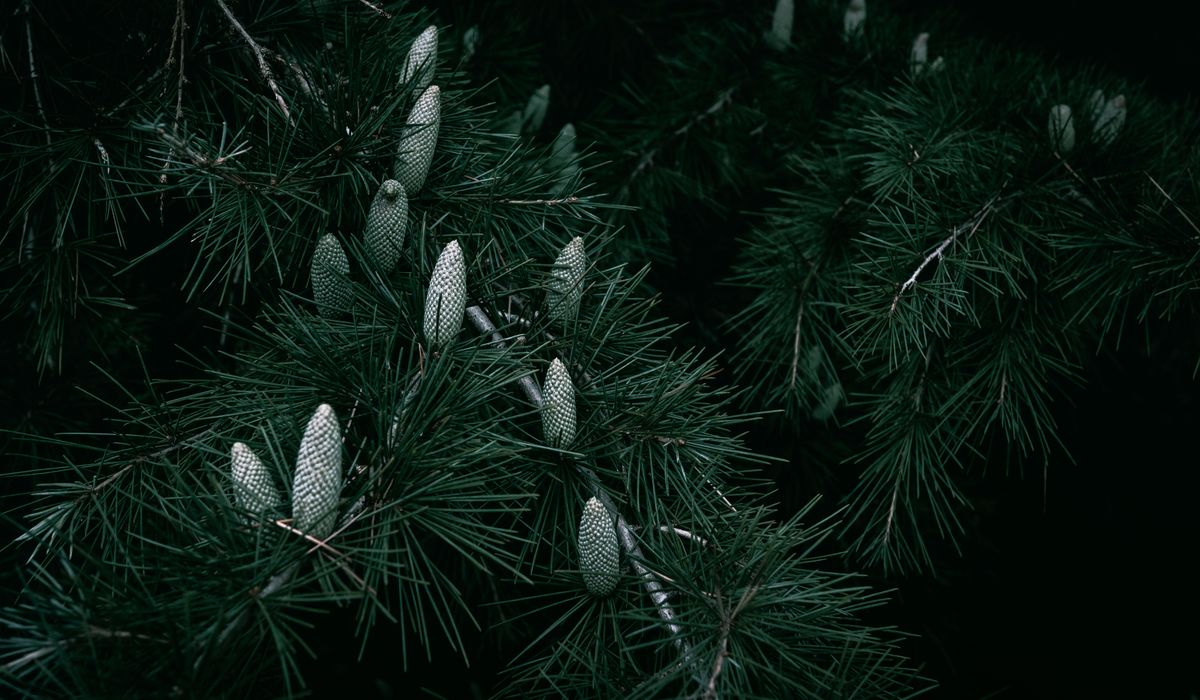
Stand beneath a mature Scots pine or Corsican pine after a fortnight of steady rain and the ground will still be dusty. That tells you most of what you need to know. Pines are shallow-rooted and wide-spreading, sending a dense, fibrous mat of roots through the top 30 centimetres of soil, often well beyond the spread of the canopy. Those roots are extremely efficient at intercepting moisture and nutrients, and they have had decades to get there first.
The canopy makes matters worse. A mature pine sheds a good proportion of rainfall sideways, so the soil beneath it receives a fraction of what falls on open ground. Add a thick, slow-to-rot layer of needles and you have the classic combination gardeners call dry shade: a root-filled, water-starved, nutrient-poor environment that defeats most bedding plants within a season.
It is worth clearing up one persistent myth. Pine needles do not make soil dramatically acidic. They are mildly acidic when fresh, but they break down slowly and their effect on soil pH is usually small. If the ground beneath your pine is sour, it is far more likely to be compaction, exhaustion and dryness than acid. A simple soil test will tell you whether liming is needed, and in most British gardens it is not.
Before you buy a single plant, improve what you are planting into. The temptation is to dig a generous hole and fill it with rich compost, but deep cultivation under a pine is a mistake — you will slice through feeding roots and do the tree real harm. Work only the top five centimetres or so, loosening it gently with a fork rather than turning it over.
Then feed the soil from above. Spread a five to seven centimetre layer of well-rotted garden compost, leafmould or composted bark over the whole area, right out to the drip line. Do not pile it against the trunk; keep it clear by 20 to 30 centimetres. Worms and soil fungi will draw the organic matter down and slowly build a crumb structure that holds water far better than the dusty stuff underneath.
Choose plants that evolved under trees and you will spend far less time propping up failures. The best ground cover for these conditions spreads steadily, roots shallowly, and copes with a summer of neglect.
Group them in drifts rather than dotting them about singly. A single epimedium looks lost; twenty of them look deliberate, and they will close ranks faster against weeds.
Sprinkling from above is close to pointless under a pine. Much of the water is caught by the needles and evaporates before it reaches the soil. Fit a drip line or porous soaker hose instead, laid in a loop or grid around the planting area and run at low pressure for a long period — an hour or two, once or twice a week through the first two summers. Water deeply and infrequently; little and often encourages shallow, vulnerable roots.
Even a simple leaky hose on a timer will transform establishment rates. If you are watering by can, deliver it slowly at the base of each plant and check afterwards by pushing a finger into the soil. If it is dry two centimetres down, you have not watered enough.
Think in layers rather than a single flat carpet. Bulbs are the secret weapon under deciduous pines and even under evergreens, since they do their growing in late winter and spring when light and moisture are at their best. Snowdrops, Cyclamen hederifolium, Anemone nemorosa and daffodils will all naturalise in dry shade if planted deep and left alone.
Above them, add a few bold architectural plants — a clump of Luzula sylvatica for evergreen ribbons, hellebores for winter flowers, or a scrambling clematis to soften the trunk. Let fallen needles lie where they fall; they make an excellent natural mulch.
Autumn is by far the best time to plant under a pine, while the soil is warm and the tree's demand for water has slackened. Set each plant in a hole no deeper than its rootball, tease out circling roots, firm it in and water immediately. A handful of mycorrhizal fungi on the roots can help, particularly for ferns and shrubs. Then mulch, water diligently for two summers, and resist the urge to fuss. Once these plants are established, they will look after themselves — and you will have turned the most difficult corner of the garden into the most quietly satisfying one.


We are not gonna make spamming
